
All Wrapped Up: Which Mummy Are You?
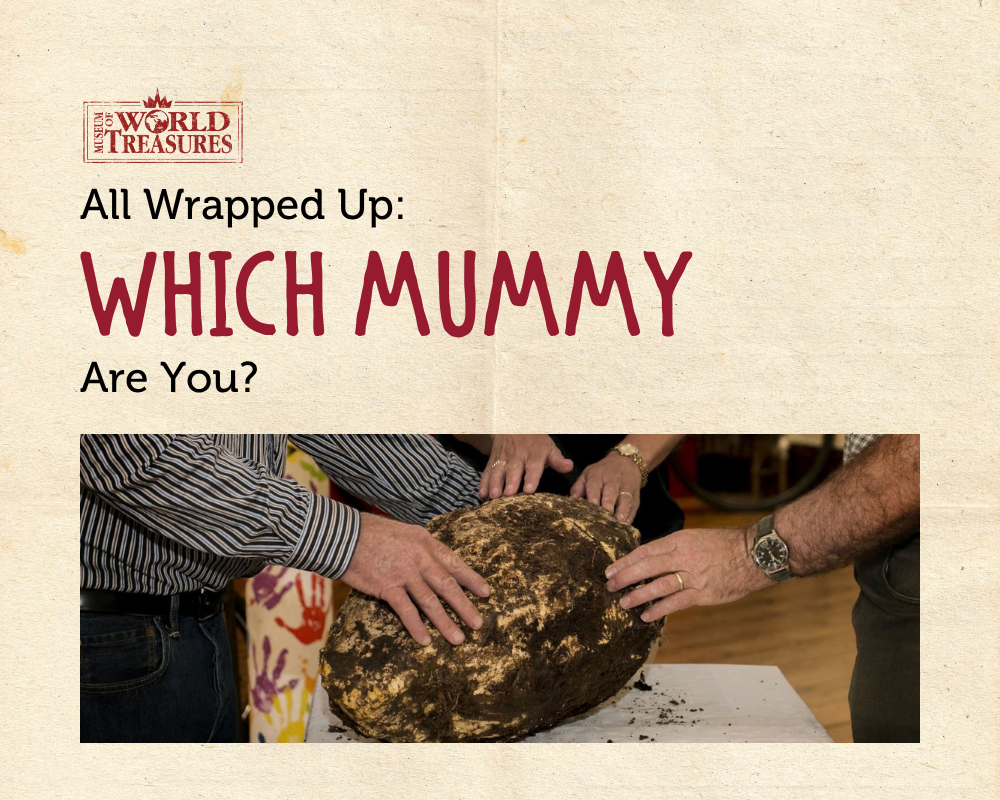
Though they are the best known in modern pop culture, Egyptian mummies are only the tip of the iceberg, pun intended. There are two main types of mummies: anthropogenic, deliberately created by humans, and spontaneous, naturally preserved by environmental conditions. Today, let's talk about all the other mummies that are found across the globe.
Before we can determine what kind of mummy you are, if you like what we are doing, you can support the Museum here. You can also follow us on Facebook and Instagram. Or you can join our mailing list below!
Anthropogenic
Anthropogenic is a term meaning originating in human activity, generally used in reference to humans and our effect on nature. In the terms of mummification, however, it means the purposeful creation of a mummy. We have already discussed, in length, the creation of Egyptian mummies. Let us now explore some lesser known, but no less amazing, examples of intentional mummification.
The Chinchorro Mummies of Chile.
The Chinchorro mummies are the oldest known example of mummification, predating the Egyptian mummies by around 2,000 years. The Chinchorro were a complex hunter-gatherer society on the coast of the Atacama Desert in Northern Chile around 9,000 years before present. They were skilled fishers, artisans, and master morticians. They created elaborate representations of their departed, with several distinct variations through their history. Unlike many other cultures, who reserved the practice of mummification for the elite of the society, the Chinchorro mummified all members of their society, with children and babies often receiving the most elaborate mummifications, making them archaeologically significant.
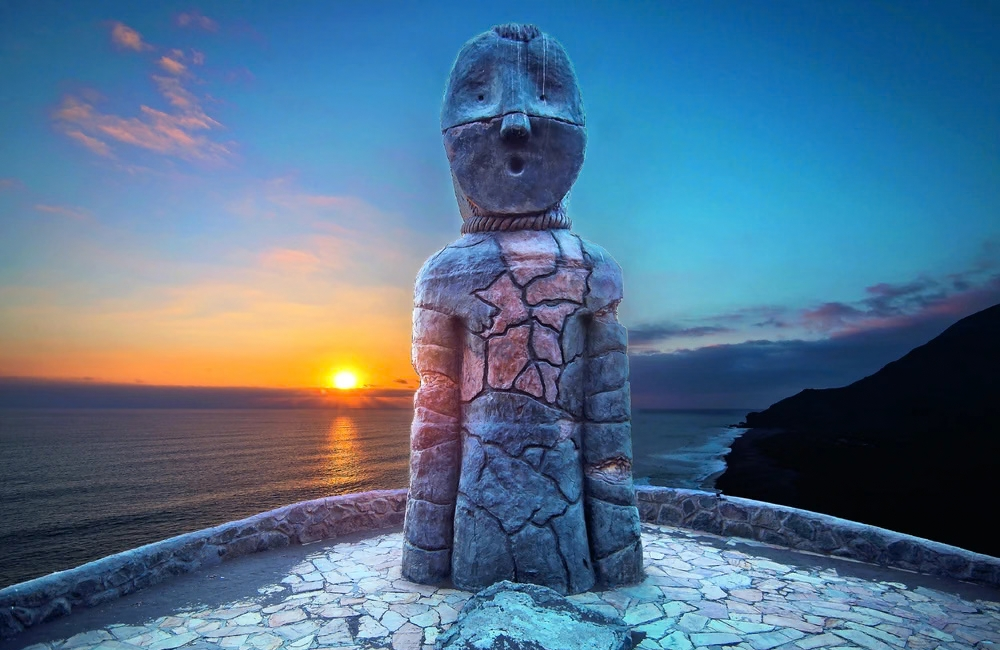
La Momia Guardiana (The Guardian Mummy), from the UNESCO World Heritage Site Settlement and Artificial Mummification of the Chinchorro Culture in the Arica and Parinacota Region
The Chinchorro style of mummification is classified by Andean archaeologists as “reconstruction” mummification. There are three distinct methods used in the creation of Chinchorro mummies: The Black Method (5000-3000 BCE), The Red Method, (2500-2000 BCE), and the Mud Method (3000-1300 BCE).
- Black Mummies were coated in manganese, giving them the dull black appearance from which this method takes its name. This method involved taking the body apart, treating it, and reassembling it. The head, legs, and arms were removed from the trunk of the body; the internal organs, skin, and other soft tissues were removed, and the body was then heat dried. After the body was reassembled, a paste was used to cover the body and the gaps were filled with any available material: grasses, soil, animal skin etc. and sticks were used to reinforce the bones. The skin and hair were then refitted to the bones and painted over with the manganese.
- The Red Mummies were coated in a red ochre, giving the exterior a reddish-brown appearance. The red method was the most elaborate method that the Chinchorro employed during their mummification period. Instead of dismembering their dead, the Chinchorro began using a series of long incisions all over the body to remove the organs, so they could then dry the body. The head was still removed in order to remove the brain. The body would again be stuffed with materials to provide a more life-like appearance, and the skin covered in clay. They would also specifically form a clay mask to the face and form the genitals from clay as well. An elaborate wig was attached using clay and then everything was painted over using the red ochre.
- The mud method saw the removal of the skin and organs stop. Instead, the bodies would be covered in a thick layer of mud and clay, allowing the Chinchorro to mold and create elaborate and colorful appearances on the dead. The mud was also useful in covering up the smell of decay. Once completed, the mummies were then cemented into their graves.
Because the Chinchorro were preceramic and partially nomadic, there is little archaeological evidence as to why these practices developed and why they changed and shifted as they did. The study of the Chinchorro is ongoing, and their legacy remains highly regarded today; the cultural settlements and the sophisticated techniques of intentional mummification found in Arica and Parinacota earned a designation as a UNESCO World Heritage Site in 2021.
The Sokushinbutsu “Mummies” of Japan
Sokushinbutsu of Japan are linked to a sect of esoteric Japanese Buddhism called Shugendo. The Sokushinbutsu are known as Living Buddhas, as they are monks who are believed to have reached such a deep state of meditation that they are beyond life and death. They are, in essence, self-mummified. There are currently 21 such monks that have been identified as Sokushinbutsu, with the largest concentration, 13 of the 21, residing in the Yamagata prefecture, in temples scattered around Mount Yudano.
The path to becoming Sokushinbutsu is different for each monk. After joining a temple and leading a devout life, the monk who chose this path would enter seclusion. This ascetic seclusion would center around the abstinence from grain, with many subsisting on tree bark, pine needles, seeds, chestnuts, and in some cases, even rocks and crystals for a period of one thousand to several thousand days. This would eliminate a large portion of their body fat and the moisture in the body. After the period of fasting, they would then entomb themselves and fast and pray until they passed away. Some were exhumed and dried immediately upon passing, and then reburied for a period of up to 3 years. Others were left untouched for up to three years before they were removed and placed on display in the temples, where they are objects to be venerated and worshipped.
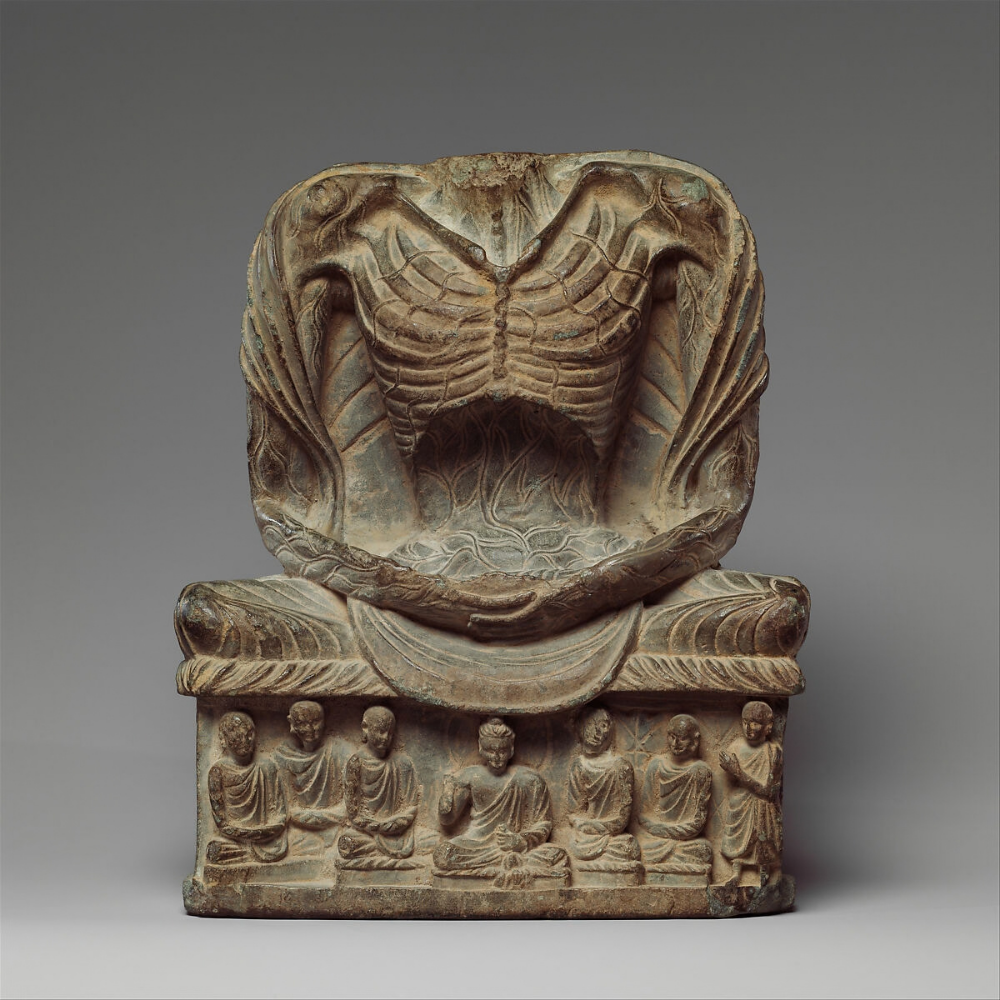
Fasting Buddha Shakyamuni, Gandahara, Pakistan. The Met
The oldest of the Sokushinbutsu is Honmyokai, who entered into his deep meditation in 1683. Originally a vassal to a feudal lord, it is said he entered the temple to pray for his lord's health during an illness. The histories of the Sokushinbutsu note that his desire was for people to be free of illness and suffering. The most famous Sokushinbutsu is Tetsumonka, who entered his meditation in 1829. His history says that before he entered the temple he killed two samurai, and fled to the temple for safety. He traveled throughout northern Japan, providing spiritual guidance and medical support. It is said that an illness attacking the eyes spread during the Endo period, reaching epidemic status, and Tetsumonka reportedly gouged out one of his own eyes as an offering to the Mount Yudano deities. He then fasted and entered a deep meditation, becoming one of the Sokushinbutsu. Each of the Sokushinbutsu had deep personal reasons for undergoing the practice, but there is also an altruistic reasoning behind each as well, whether for the benefit of the individual, the community, or the society at large.
The Nazca Mummies of Peru
The Nazca are most famous for their giant glyphs, left behind in the Nazca Desert of southern Peru. However, they also left behind mummies, intentionally prepared and buried in pit tombs. Modern analysis has shown that the Nazca removed the internal organs of their dead, filled the abdominal cavities with plant and textile fibers, coated the bodies in a protective resin, and then used the extreme heat of the desert to dehydrate the bodies before burial. Once the bodies were fully prepared for burial, they were then wrapped in elaborate textiles, showing us that weaving was a central and important cultural art for the Nazca. The ancient necropolis of Chauchilla Cemetery holds the remains of ancient, pre-Hispanic peoples, and though it has been plundered many times over the century, there are still bodies to be found buried in their original pit tombs. The nearby site of Estaquería, home to wooden pillars originally thought to be for astronomical purposes, may have actually been used to prepare the bodies for burial. It is thought that the ancient Nazca may have hung the bodies from the posts in order to aid the dehydration process. Nazca tombs often contain grave goods such as pottery, food, weapons, and tools. Modern analysis of the bodies has revealed ancient tattoos, evidence of malnutrition and diseases such as malaria, and evidence of cranial modification and in some cases ritual decapitation. Research into the Nazca mummies is ongoing, but do not be fooled by the recent hoax proclaiming that alien mummies were found in the Nazca Desert. The remains found here are decidedly human in origin.
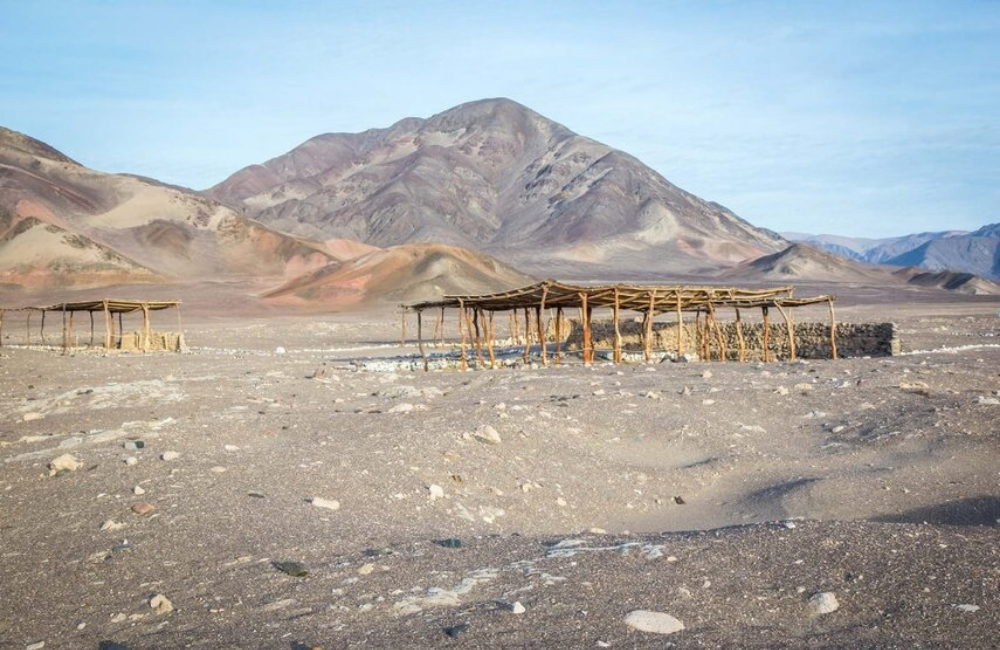
Chauchilla Cemetery, Nazca, Peru
Spontaneous
Whereas anthropogenic mummies are those created on purpose by humans, spontaneous mummies are those that created by the actions of nature. What follows then are examples of various other mummies found throughout the world.
Desert/Dry Mummies
Desert mummies are more akin to what we are used to seeing in modern media. The dessert naturally dries out the skin and tissues of the body, preserving the look and appearance of the deceased. The extreme heat and lack of moisture rapidly dehydrates the body, which slows or stops the production of the enzymes and bacteria that cause decomposition, a process known as desiccation.
Tarim Basin Mummies are naturally preserved Bronze- and Iron-Age human remains from the Tarim Basin in the Taklamakan Desert in Xinjiang, China. They were discovered in cemeteries across the desert, with the earliest finds dating to around 2100-1700 BCE. Many of the early Bronze Age mummies have what can be described as “western” features, light skin, and fair hair, and DNA and genome sequencing in the past several years has shown that the mummies belonged to a genetically isolated, but culturally diversified group of people who descended from the ancient Northern Eurasian populations of the Ice Age. Though they mixed culturally with their neighbors, the genetics remained remarkably isolated and distinct from other local populations. The clothing and grave goods found with the mummies indicate an agropastoral people, with many kinds of grain and livestock being included alongside dairy products and many kinds of textiles. The later Bronze Age mummies show Sintashta/Andronovo (Eurasian Steppe) ancestry and the Iron Age mummies show Saka/Scythian Pazyryk ancestry and grave goods, much like the Siberian Ice Princess discussed earlier in the article. The Tarim Basin mummies are important as they give us a better understanding of the lineages and timeline of habitation of the steppe regions.
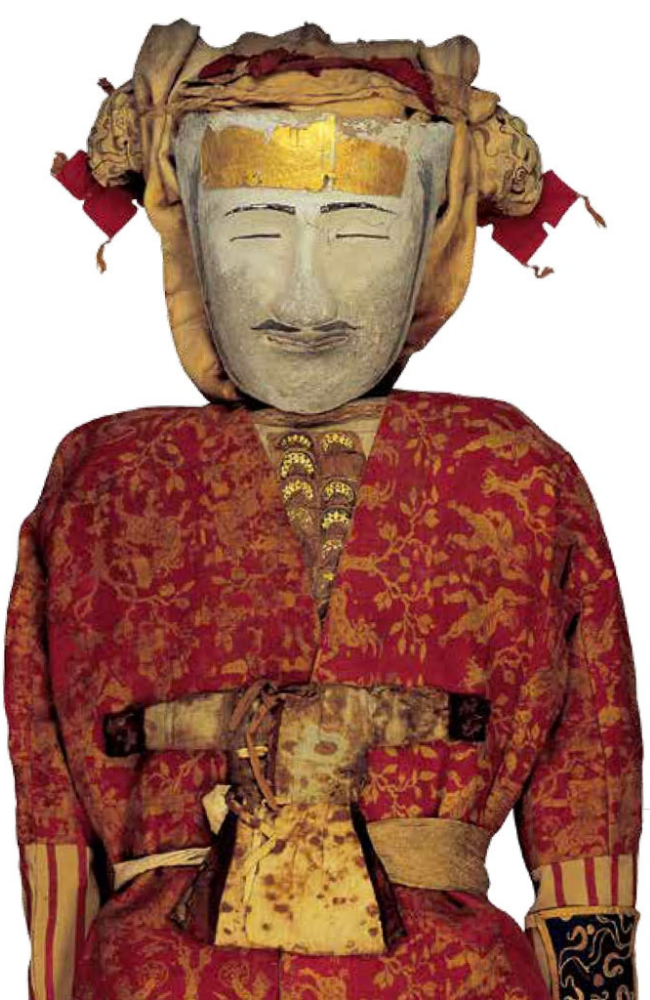
Yingpan Man, Turfan, China. Expedition Magazine, courtesy of Cultural Relics Bureau of Xinjiang and Wang Da-Gang.
Sahara Desert Mummies are a brand new find that has rocked the world of archaeology and genetics over the last year. Discovered in Southwestern Libya, scientists found the naturally mummified remains of 2 women with some of their skin, ligaments, and tissues still intact in the Takrakori rock shelter, dating back 7,000 years to when that area of the Sahara was a lush savannah. DNA analysis of the remains has uncovered a previously unknown and genetically distinct group of human ancestors who are genetically more similar to the ancient hunter gatherers of Morocco than to modern populations. There was no significant genetic influence from sub-Saharan populations to the south or Near Eastern and prehistoric European groups to the north, suggesting that what we thought we knew about human migration is false. Instead of animal husbandry flowing across the Green Sahara via human migration, it would appear that it was a cultural exchange of ideas instead. This group of ancestors branched off from a sub-Saharan population around 50,000 years ago and managed to remain genetically distinct for tens of thousands of years, a feat that is baffling scientists. The find was part of a set of 15 burials, with partial skeletal remains in each, indicating a more settled lifestyle, with evidence of fishing and herding being found. The remains of pottery sherds and rock art were found alongside the remains.
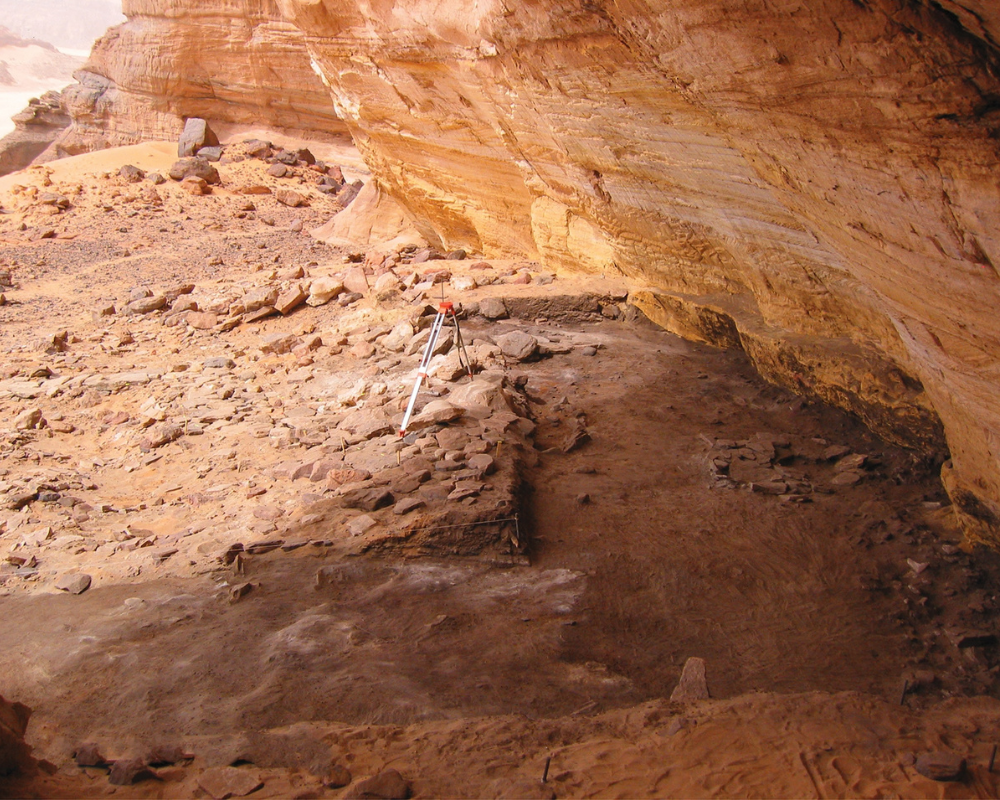
Takrakori Rock Shelter where the mummies were found. Indian Defence Review
Ice/Cold Mummies
Ice and cold mummies are created by natural freezing processes as opposed to an artificial technique. They are generally found in glaciers, permafrost, ice patches, and high-altitude areas where rapid freezing, sustained sub-zero temperatures, dryness, and protective coverings to halt decomposition and protect the body from the elements and scavengers. Mummies that are preserved this way can provide outstanding archaeological evidence in the form of preserved food remains within the body's intestines, a look at ancient health and diseases through tissue samples, preserved material remains, and many other things. There are many examples of this phenomenon, not just in humans. There are several instances of prehistoric animals being found preserved in ice, most notably a male steppe bison and a baby woolly mammoth.
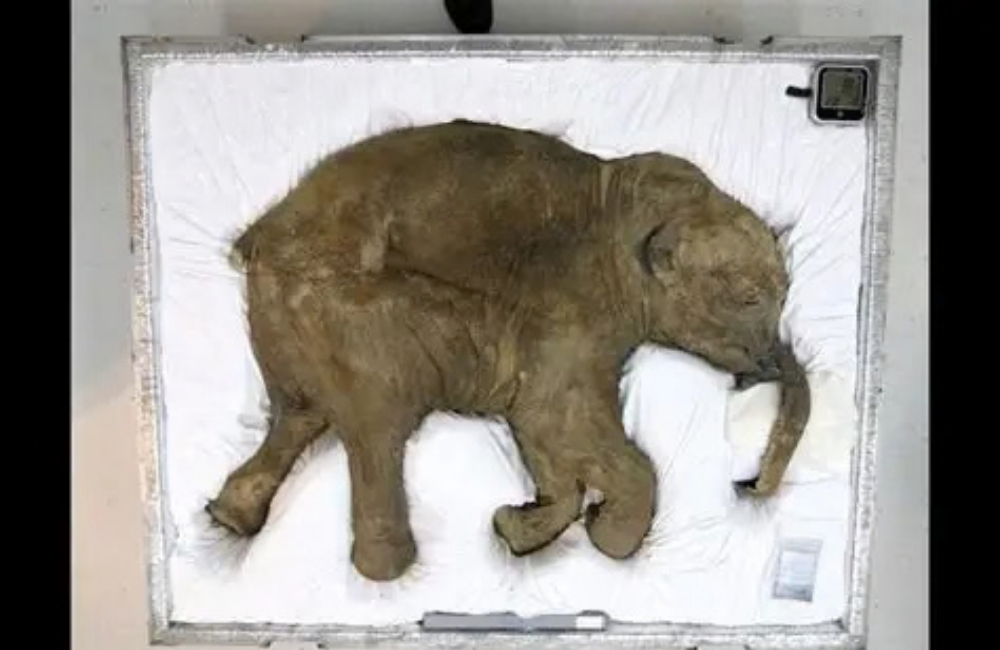
Lyuba, Discovered in Siberia. Open Source
Otzi the Ice Man lived around 3350-3105 BCE and is Europe’s oldest known natural mummy. He was discovered in 1991 in the Ötztal Alps, on the border of Austria and Italy. He was around 45 when he died, and we have been able to determine that he died a violent death. His cause of death is suspected to be from an arrow that was found lodged into his left shoulder, though he had other defensive wounds on his body, like on his right hand. His body also shows evidence of post-mortem trauma from being exposed during the thaw and freeze cycle of the area. He was found with the remnants of his last two meals still in his intestines. Most amazing of all is the personal affects that were found with and around him. Otzi was found with a fur robe made of various animal skins, a grass cape and furry hat, and shoes made of leather and stuffed with grass, all designed to protect him from the high altitude cold. He carried a small copper axe, a flint dagger, 14 arrows, a quiver made of fur, a yew bow, a leather pouch, a grass net, and a wooden U-shaped frame that likely functioned as a backpack for all of his gear. He also bears blue and black lines on his wrists, spine, legs, and ankles that are the earliest evidence of tattoos. Due to the placement, it’s thought they may have been therapeutic, meant to relieve the pain Otzi would have been suffering due to his arthritis.
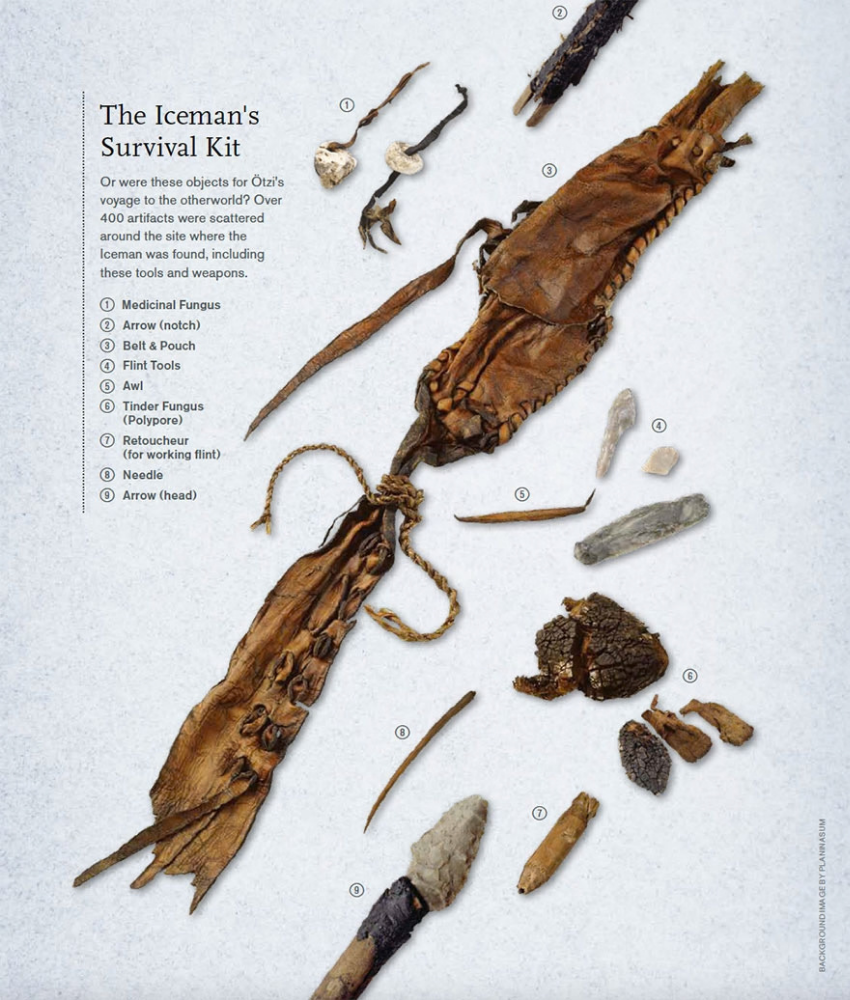
Otzi’s tools. Penn Museum
The Siberian Ice Maiden, also known as the Altai Princess or Princess of Ukok, is the naturally preserved remains of a young woman from the Pazyryk culture. She lived during the 5th century BCE and was preserved for around 2,400 by ice that formed in her burial chamber before being discovered in 1993 on the Ukok Plateau. Her kurgan (burial mound) was discovered in rare condition, containing two collapsible wooden tray tables, upon which horsemeat and mutton had been laid. A drinking horn with an unidentified beverage in it was placed in the tomb, along with a wooden vessel and stirrer that held the remains of a dairy product. She was also given marten fur, a small mirror made of metal, wood carved with the figures of deer, and an elaborate headdress almost 3 feet tall. She was buried in a yellow shirt of wild tussah silk, crimson-and-white striped wool skirt, thigh high white felt leggings, and a tasseled belt. Still visible are the remnants of intricate tattoos on her hands and arms of animals resembling deer.
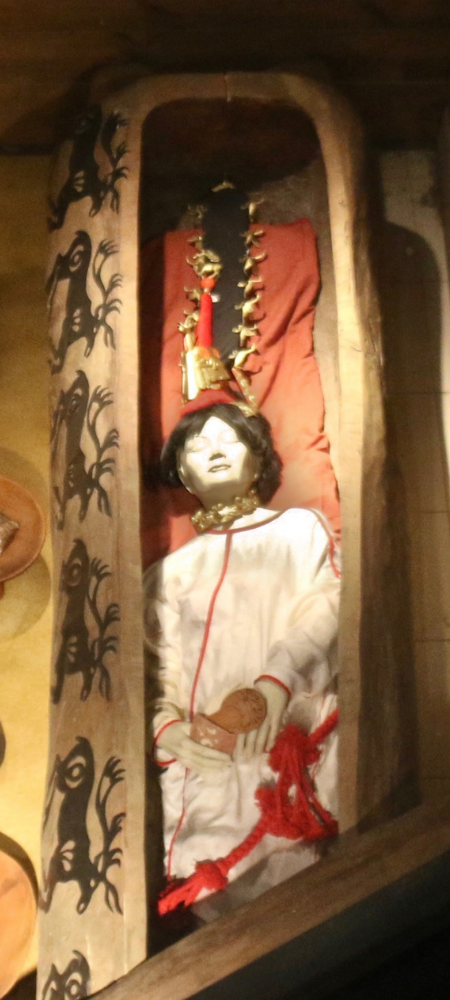
Reconstruction of the Ice Maiden in her wooden sarcophagus, Anokhin Museum, Gorno-Altaysk, Russia
Inca Ice Mummies are the beautifully preserved mummies of children, intentionally sacrificed at high altitudes, intended to appease the gods. The Inca’s believed that the sacrifice of these children would protect the cosmic balance and ensure agricultural abundance. They were typically placed at high altitude sites, usually above 5,000 feet, where the dry air and the freezing temperatures naturally preserved the bodies and clothing of the children. One of the most well-known finds is the body of a young girl, approximately 12-15 years old, discovered in 1995 on Mount Ampato by anthropologist Johan Reinhard during an investigation into a nearby ceremonial site. Nicknamed Juanita the Ice Maiden, analysis of the preserved remains indicates that cause of death was blunt force trauma to the skull, one of the common methods used for the capacocha ceremony (strangulation and suffocation were also common), and the state of preservation was so complete that scientists were able to analyze her soft tissues and organs in incredible detail. Juanita ate a meal of vegetables just hours before her death, and she was buried with a variety of grave goods, such as pottery, maize, and Spondylus shells, which were much prized in the Incan Empire. The discovery of Juanita led to further investigations, and the subsequent discovery of two more children on Mount Ampato. There have been over 115 such mummies found in the Andean mountains, the first being found in 1954, and discoveries continuing to today.
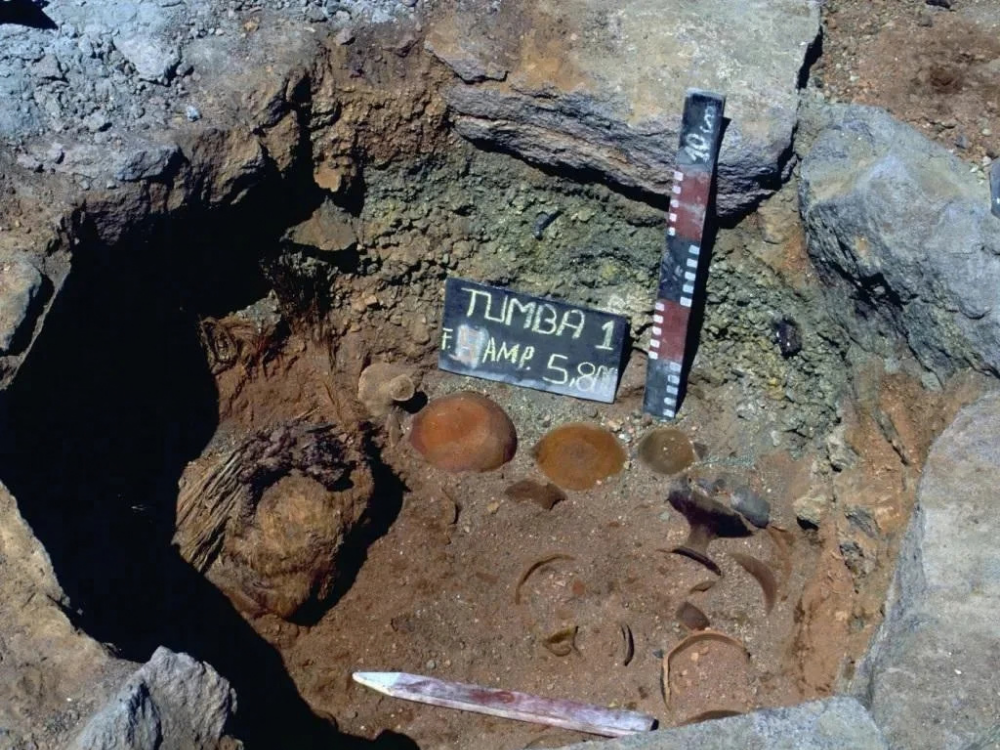
A tomb full of ceramic grave goods found on Mount Ampato, Museo Santuarios Andinos UCSM
The Climbers of Everest are modern day ice mummies. Everest has claimed the lives of over 300 climbers since the 1920’s, with most of the deaths occurring in the aptly named “Death Zone”, the area over 8,000 meters, where oxygen levels are insufficient for human life. Of those over 300 deaths, approximately 200 of them remain on the mountain, their bodies stuck in the extreme snow and ice conditions. Like the other ice mummies on our list, the remains on Everest remain locked in dry, sub-freezing conditions, ensuring the remains are preserved. Rescue and recovery are dangerous ventures, and are often impossible, and so many climbers remain where they fall, and many have become grim way markers for other travelers. Green Boots Cave (believed to be Tsewang Paljor, a 28 year old Indian climber who died in May of 1996), Rainbow Valley (laying just below the summit and the Hilary Step, it is named for the many brightly colored jackets, boots, and other gear that remains visible against the bleak white and grey backdrop of the mountain, a grim reminder of all of the deceased climbers who did not make it to or off the summit), and The Sleeping Beauty of Everest (Francys Arsentiev, an accomplished climber and the first American woman to summit Everest without supplemental oxygen in 1998, she tragically died on her descent. Her body lay supine near the trail for 7 years, which led to her nickname. Her remains were eventually moved to a more secluded location out of respect). The dead of Everest are a grim reminder to many that though we may try, we cannot always best nature.
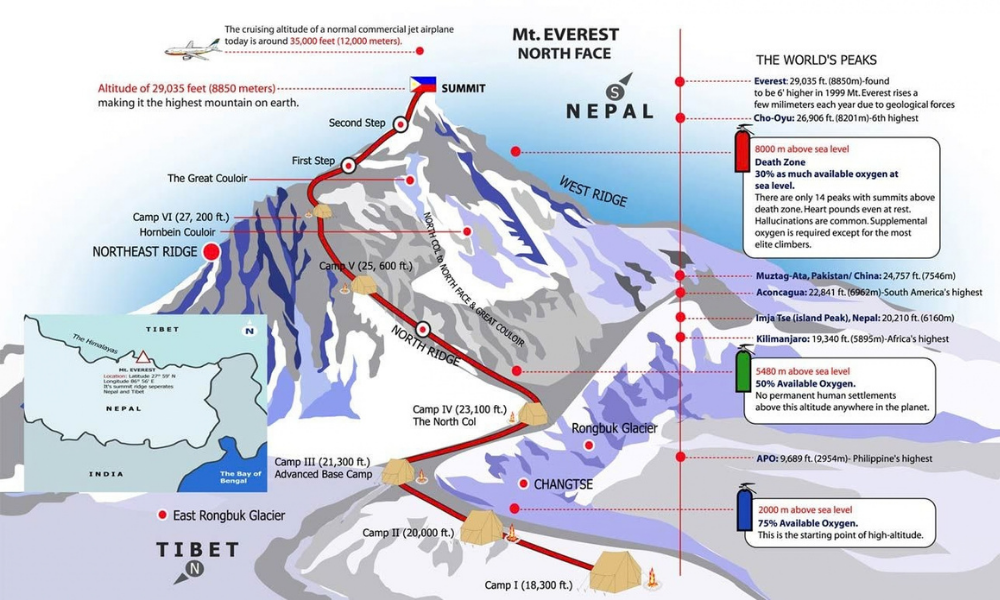
Trail map of Mt. Everest, open source
Wet Mummies
Wet mummies are bodies that have been naturally or accidentally preserved with their tissues retaining moisture, allowing the body to remain soft and pliable, unlike the traditional mummies, which are often dehydrated. These mummies generally come from environments that are cold, anaerobic, or waterlogged. Otzi also belongs in this category, as his body retained moisture in individual cells, allowing for the detailed studies he underwent, as would the other ice mummies. However, there is one very famous example of a wet mummy that varies greatly from the icy mummies of the high altitudes, hence the separate category.
Xin Zhui (Lady Dai) is also known to science as the best-preserved mummy ever to be found in history. Discovered in 1968 near Changsha, Hunan, China, Lady Dai was found nestled in the innermost coffin of a four-coffin set, each one decorated exquisitely to the Han Dynasty’s funeral practices. Her body was wrapped in around 20 layers of cloth, bound with silk ribbon. And around her, placed within the tomb with her, were a thousand priceless artifacts of a Han Dynasty era mid-level noblewoman. Her remarkable state of preservation was due to the 21 gallons of unidentified liquid that she was found in within her coffin. Once tested, it was found to be slightly acidic and containing traces of magnesium. Many scientists believe this was not water or some other fluid that leaked into the coffin, but was instead a bodily fluid that she secreted after burial that stopped bacteria and oxygen from reaching her body. Her burial structure was also sealed with 3 feet of clay and the floor lined with a paste like clay, keeping additional bacteria and oxygen away from her body. Her muscles still permitted her limbs to bend, and her skin was still attached and wet. Her hair, including eyelashes, was still present and a wig still attached at the back of her hair, and her finger and toe prints were still present and visible. The condition of her body meant an in-depth autopsy could be completed. Her cause of death was discovered to be a heart attack, and the blockages were still visible during the autopsy. Melon seeds were discovered in her stomach, signaling that she likely passed during the spring or summer, when the melons were ripe, and within just a few hours of eating the melons. Having a mummy in such incredible condition is invaluable to science, as we can learn so much about the lifestyle, diseases, and foods that the people of the time had and were being affected by.
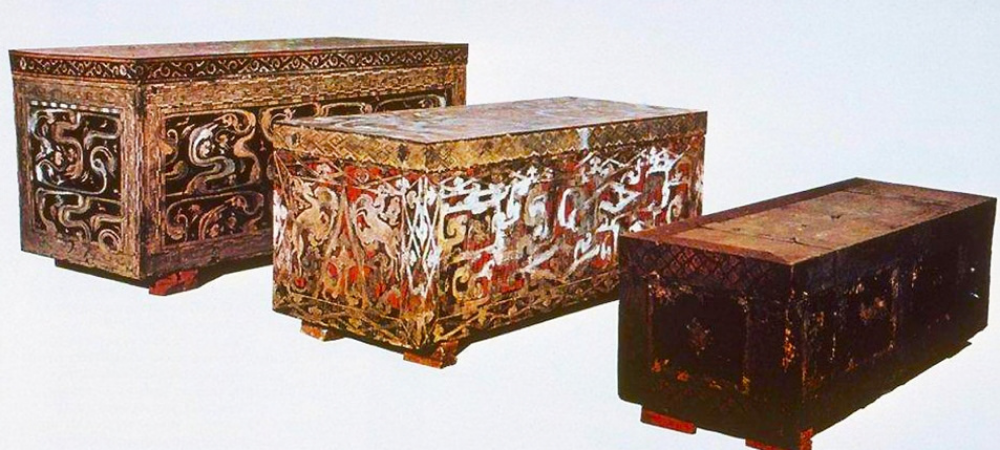
Stacked coffins of Lady Dai, Smart History: The Center for Public Art History
Bog Bodies
Bog Bodies are naturally mummified remains that are found in peat bogs. Due to the cold, acidic, oxygen-free environment of a peat bog, bodies deposited into the bog are uniquely preserved, with the hair, nails, skin, organs, and other soft tissues being preserved, with only the bones being dissolved by the high levels of acidity. The bodies are, in effect, tanned. Due to the peat bog being the prevailing reason behind the preservation, bog bodies are geographically and chronologically diverse, ranging from the Mesolithic and Bronze Age in Denmark and Ireland to the bodies of World War II soldiers who died in the wetlands of the Soviet Union. Here are some of the most famous examples.
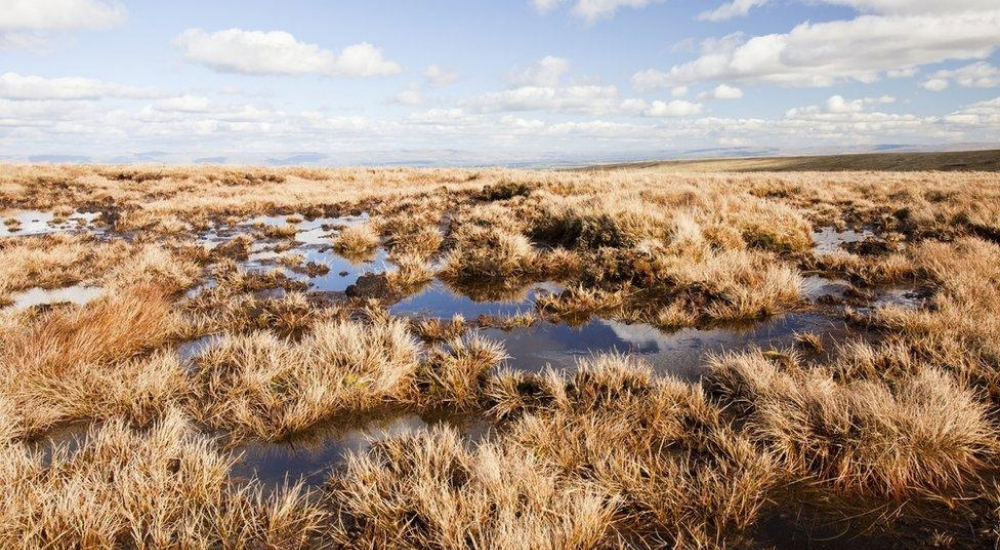
Peat Bog in Ireland, BBC News
The Tollund Man was discovered in the Bjældskovdal Mose peat bog in Denmark in 1950. Tollund Man lived during Europe’s Iron Age, sometime between 405 and 380 BCE. His cause of death is believed to be hanging, due to the leather rope found around his neck. The Tollund Man is one of the best-preserved bog bodies found in Europe and provides modern science with a clear picture of what life was like during that age. He was found to have the remains of his last meal still in his stomach, fish and porridge. He is currently on display at the Museum Silkeborg in Silkeborg, Denmark
Lindow Man was discovered in Lindow Moss near Manchester in 1984. He died a violent death before he was planted face down in the peat bog, as evidenced by the many wounds that have been preserved on his body. Radiocarbon dating places his lifetime sometime either shortly before or after the Roman conquest of Iron Age Britain. Like the others on the list, the remains of his last meal (unleavened bread) were found in his intestines. Study of his dismembered remains provides even further looks at what life was like during the Iron Age. He is currently housed at the British Museum.
Yde Girl was 16 when she was either ritually sacrificed or executed. Her remains were found in a bog near Yde, Drenthe, The Netherlands in 1897. She lived sometimes between the 1st century BCE and 2nd century CE. Modern analysis shows she suffered from scoliosis and deformities of her right leg and her cause of death was asphyxiation. Originally blond, her remaining hair is a reddish gold, a chemical change caused by the chemical make-up of the bog she was submerged in.
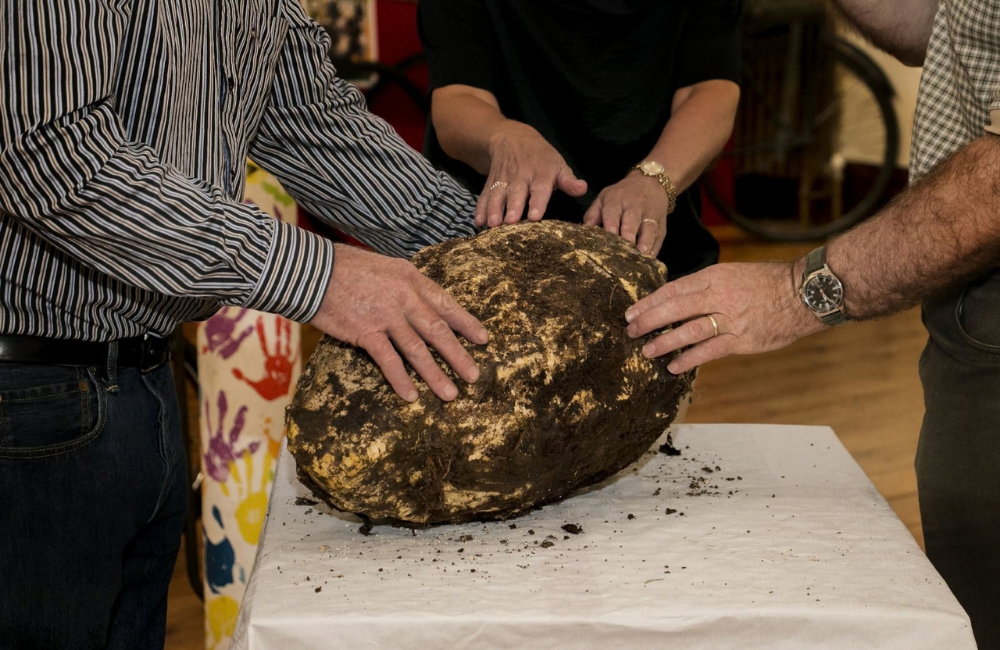
While not a mummy, bogs can also preserve foodstuffs such as butter, Atlas Obscura
Our fascination with mummies stems from humanity's deep need to know who we are and where we came from. By studying our past and those who came before, we may come to know ourselves and our world just a little bit better. Throughout this series about mummies and mummification, I hope I have encouraged your pursuit of knowledge and answered some questions, and maybe even introduced some new questions for you to go off and answer on your own. Now that our series on mummies and mummification have come to an end, the real question is, do you want to be a mummy? If so, which kind?
